
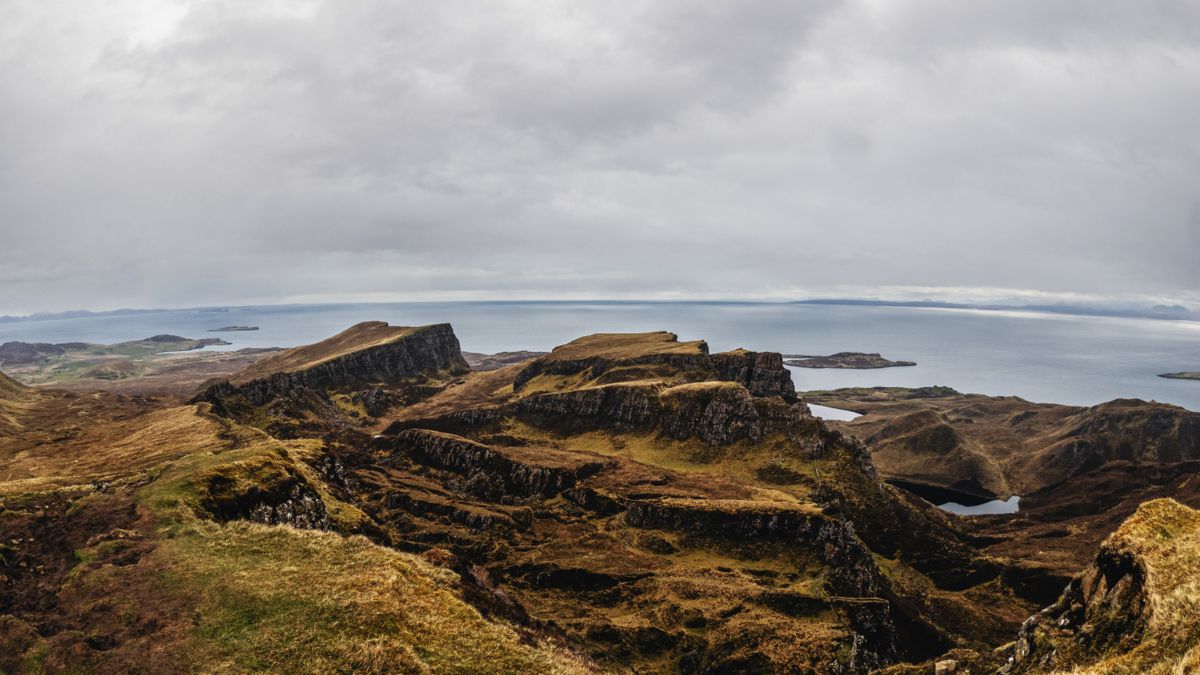
Book a cottage on Skye, Anglesey or the Isle of Wight in October and you are buying weather as much as you are buying a view. That is not a reason to stay home. It is a reason to choose the cottage more carefully than you would in July, when a bare garden and a barbecue would have carried the whole week on their own.
The difference between a damp, fractious week and a genuinely lovely one usually comes down to four things: warmth, somewhere to dry wet things, enough to do indoors, and a garden that still works when the wind is blowing sideways. Get those right and the rain becomes part of the scenery rather than the enemy of the holiday.
Look past the photographs of the wood burner and ask what heats the place when the fire is out. A single storage heater in a stone-walled cottage on the west coast will not keep a sitting room comfortable in February, and old island properties lose heat fast once the wind gets up.
This is the detail most holidaymakers forget, and it is the one that decides whether the week feels comfortable. Four people returning from a soaked coastal path generate an astonishing amount of wet kit.
Hunt for a property with a proper boot room, utility or porch where waterproofs can be hung away from the living space. An airing cupboard or a heated drying rack is a real luxury. A tumble dryer is worth its weight in gold on an island where a washing line is a theoretical concept between November and March.
Ask before booking about a dehumidifier. In a small cottage, one of these will dry a roomful of coats overnight and stop the windows streaming with condensation. If the property has a pebble beach nearby, expect sand in everything and be glad of an outside tap.
You will cook more than you planned. Rainy island weeks turn into long lunches, slow-cooked dinners and far more tea than usual, so the kitchen deserves a hard look.
A well-stocked cottage library is a gift. So is a cupboard of board games that has been added to over the years by guests who could not fit them back in the car. When you are booking, ask what is there rather than hoping.
Pack your own essentials: a couple of paperbacks, a pack of cards, a jigsaw if your party enjoys one, and a good portable speaker for music. If the television matters to you, check that it works and that the Wi-Fi is strong enough to stream. Many island cottages still rely on a modest broadband connection, and some coastal spots have patchy mobile signal. Download films and podcasts before you travel, and treat a poor signal as permission to switch off.
Shelter matters more than size. A walled garden, a covered veranda, a summerhouse or a lean-to conservatory turns a drizzly morning into a pleasant one. Look at the photographs for mature hedges, trees and windbreaks rather than an open lawn.
Check whether there is a table under cover, and whether outdoor furniture is stored or left out to weather. A bench in the lee of a shed, facing the sea, is worth more on a wet week than an acre of grass with a view.
And remember that island rain is rarely constant. A wet morning often clears by two, leaving you a bright, washed-clean afternoon. Keep waterproofs and wellies by the door, watch the tides, and take the short walk anyway. A beach at low tide in the drizzle, with nobody else on it, is one of the great British pleasures.
Ask these six questions, and a rainy week stops being a risk you take and becomes something you can plan for. The islands are just as beautiful in the wet. Choose the right cottage and you will enjoy finding out.

Hi, my name is Anthony kuber. I am artist and fashion designer.
I love to travel and writing blogging.
Your email address will not be published. Required fields are marked *
Software Developer & Writer
Hey, I'm Diva, a developer and writer blending code and creativity. I'm driven by a deep curiosity and a relentless pursuit of excellence. Join me as I craft digital solutions and captivating stories.


