
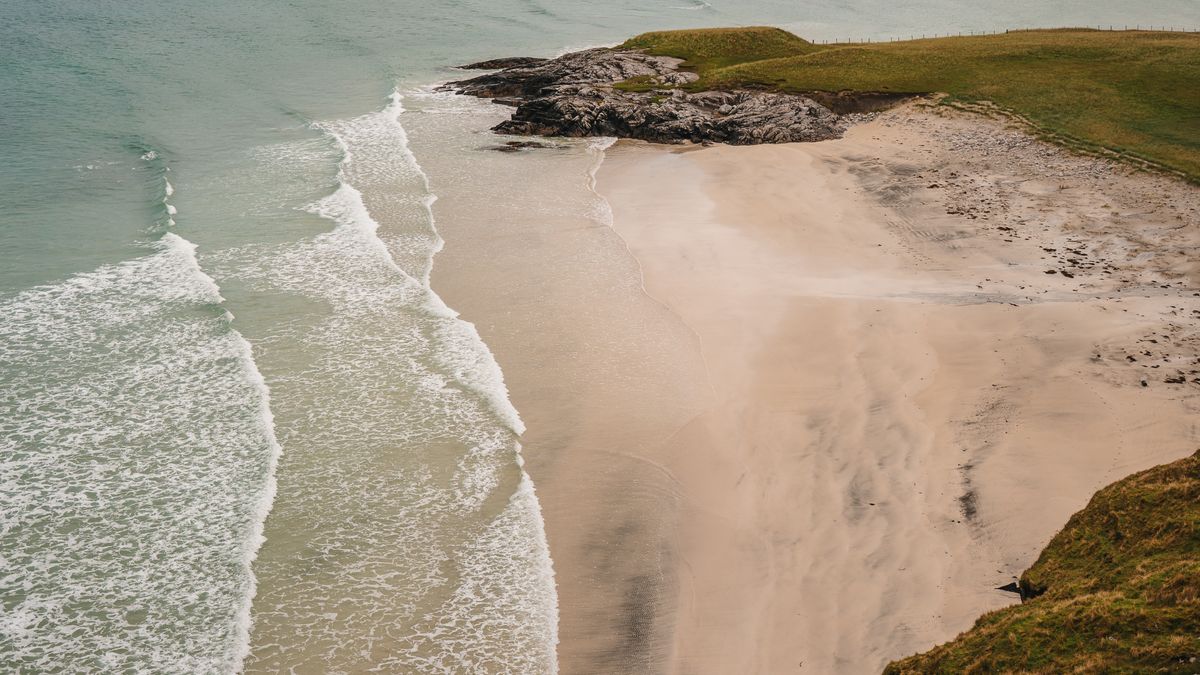
Anyone who has set off from a sunlit car park in a T-shirt and reached a headland twenty minutes later in horizontal drizzle knows the truth of it: the coast does not share the weather of the town behind it. Sea breezes build through the morning and can add a good ten miles per hour to the wind you left behind. Headlands funnel and accelerate it. Bays shelter you, then hand you over to a completely exposed clifftop stretch where the same breeze now feels like a shove.
Add in sea fret, squally showers arriving off the water with little warning, and temperature drops of several degrees the moment you turn a corner into shade or spray, and you have a day that changes its mind repeatedly. None of this should put you off. It should simply shape how you plan, pack and walk.
General weather apps are a starting point, not a briefing. For coastal walking, look at three things in detail: wind, visibility and precipitation, and tides. Inshore waters forecasts and coastal site forecasts give wind direction, speed and gusts in a way that a simple sun-or-cloud icon never will. Gusts matter more than averages on an exposed path, because a steady fifteen miles per hour with forty-mile-per-hour gusts will knock you sideways on a clifftop stile.
Check the forecast the evening before and again on the morning of the walk. If the picture has changed, change the plan with it.
Tides deserve separate attention, because they decide whether a section is passable at all.
Layers beat single thick garments, because you will be taking them on and off all day. A breathable waterproof shell is non-negotiable on the coast, even under a blue sky. So is a spare warm mid-layer kept dry in your rucksack.
Coastal ground is rarely forgiving. Wet grass on a slope above the sea is as slippery as ice. Rock polished by waves and walkers is worse. Clay and mud along estuary paths can suck a boot off.
Keep well back from cliff edges. Undercut turf can look solid and be nothing of the sort, and cliff falls are more likely after heavy rain or a long dry spell. Never assume a path marker means the ground beneath it is safe; erosion moves edges every winter, and paths are sometimes re-routed inland for good reason.
Where a route crosses a beach or rocky foreshore, watch for unexpected deep water, loose boulders and slippery weed. If a section looks doubtful, take the inland alternative. Nearly every well-waymarked route has one, and it is there precisely because the low route is not always usable.
Turning back is a skill, not a failure. Set a turnaround time before you set off, and a turnaround point if the weather is marginal. Then honour it.
Treat any of the following as a clear signal to change plan or retreat:
In a group, agree that anyone can call a stop without argument. The path will still be there next month, in better conditions.
Before you leave, tell someone your route and expected return time, and check the bus or train times that could rescue a shortened day. Coastal buses are often seasonal and sparse, so knowing the last one matters.
Have a lower-level alternative in mind: a village lane, an estuary-side path, a woodland trail behind the cliffs. If the weather turns, drop down, get out of the wind, add a dry layer, eat something and reassess.
Walk within your judgement, respect the tide and the wind, and the British coast will reward you with some of the finest walking there is, whatever the sky decides to do.

Hi, my name is Anthony kuber. I am artist and fashion designer.
I love to travel and writing blogging.
Your email address will not be published. Required fields are marked *
Software Developer & Writer
Hey, I'm Diva, a developer and writer blending code and creativity. I'm driven by a deep curiosity and a relentless pursuit of excellence. Join me as I craft digital solutions and captivating stories.


