
One of the quickest ways to ruin a short island break is to try to see the whole island. Islands look small on a map, but a single-track road with passing places, a ferry timetable and a sudden sea mist can turn a twenty-mile drive into a two-hour expedition. Pick one base for the whole trip and unpack properly. A harbour village with a shop, a pub and a path to the coast will almost always beat a mid-island hotel with better parking but nothing within walking distance.
If you are going for three or four nights, treat the first and last days as travel days, not exploring days. That leaves you two clear days. Base yourselves in the middle of those two days geographically, so both can begin with a short drive or, better still, on foot.
Ferries are the spine of any island trip, and they do not bend to your itinerary. Check sailing times before you book accommodation, not after. On many routes, foot passengers can turn up and pay on the day, while vehicles need to be booked well ahead, especially in summer and around school holidays.
A few practical points worth remembering:
If a crossing is cancelled, the ferry staff are usually the best source of information, and they will often rebook you onto the next available sailing. Having a flexible onward plan makes that far less stressful.
Coastal weather changes faster than inland weather, and island weather changes faster still. A morning of bright sunshine can turn into sideways rain by lunchtime and back again by four o'clock. Layers are your friend: a base layer, a fleece, and a genuinely waterproof outer shell. Windproof matters as much as waterproof on exposed headlands.
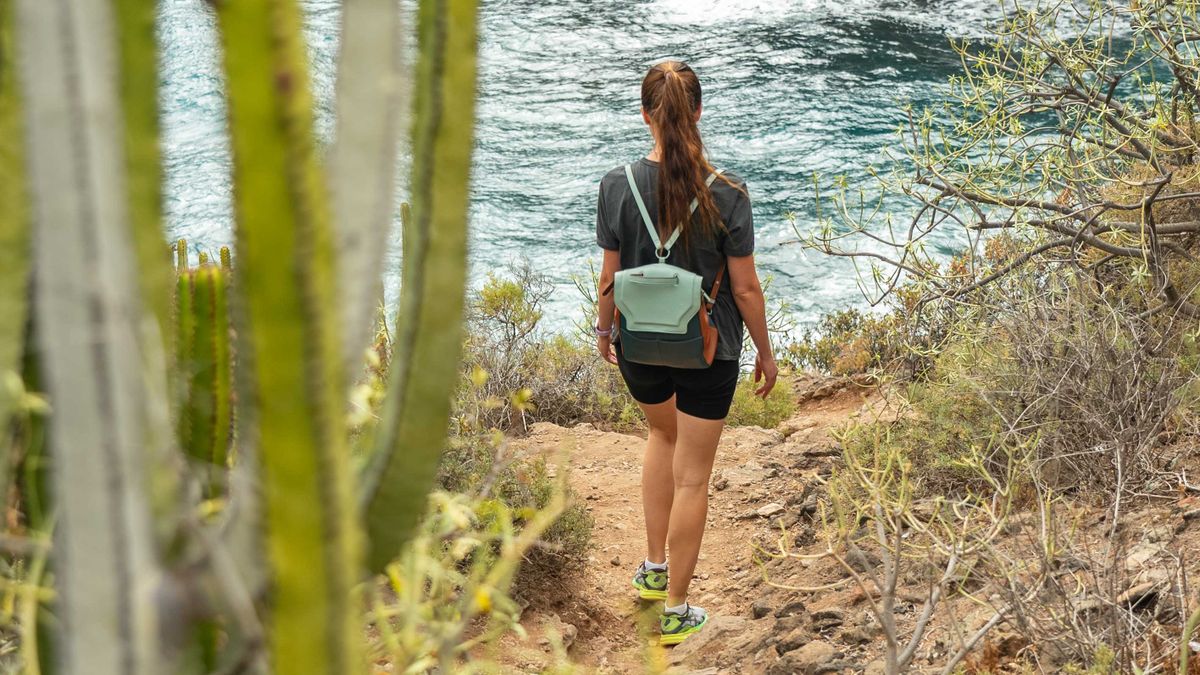
Footwear is the other thing people get wrong. Trainers are fine for harbour walls and surfaced paths, but if you plan to walk any distance on cliff paths, moorland or wet sand, bring something with grip and ankle support. Add a small daypack with water, a snack, a hat and gloves even in summer. Phone signal on islands can be patchy, so download any maps you need before you leave the mainland.
Coastal walks are the reason most people come, and the best ones are usually quietest before ten in the morning. Get out early, take the cliff path in one direction and the beach or lane back in the other. A circular route of four to six miles will show you more than a ten-mile march, and it leaves the afternoon free for a second wander or a nap.
Book tables for dinner, even out of season. Island restaurants and pubs have limited covers and a single sitting, and the good ones fill up quickly once the day-trippers arrive. If you are self-catering, shop on your first day rather than your last. Small island shops have limited stock and unusual opening hours, and the nearest large supermarket may be a ferry ride away.
The best moments on a short island break are rarely the ones you scheduled. A path signposted to a ruined chapel. A seal hauled out on a rock. A tea room that turns out to be a shed with three tables and excellent cake. If every hour is booked, you will miss them.
Aim to hold one afternoon completely free. Use it to follow a path you noticed on the way to breakfast, or to sit on a harbour wall and watch the light change. Short breaks reward curiosity far more than checklists.
Do not plan a long walk on the day you sail home. Pack the night before, leave the base tidy, and give yourselves a relaxed morning. A final short stroll, a coffee and a last look at the sea is a far better ending than a frantic dash for the terminal with wet boots in the footwell.
Short island breaks are not about covering ground. They are about slowing down, trusting the timetable and letting the coast set the pace. One base, a loose plan and a bit of buffer time will give you a trip that feels twice as long as it actually is.

Hi, my name is Anthony kuber. I am artist and fashion designer.
I love to travel and writing blogging.
Your email address will not be published. Required fields are marked *
Software Developer & Writer
Hey, I'm Diva, a developer and writer blending code and creativity. I'm driven by a deep curiosity and a relentless pursuit of excellence. Join me as I craft digital solutions and captivating stories.


