
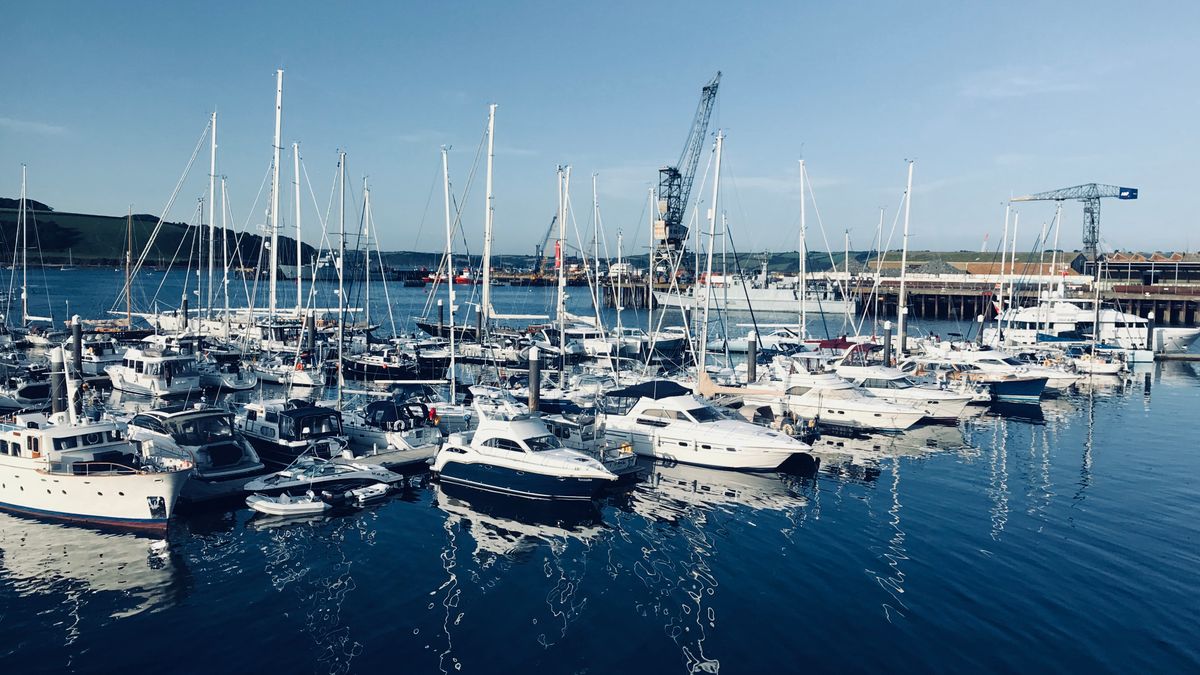
Falling asleep to the sound of waves and waking to a sky full of seabirds is a special kind of freedom. Coastal wild camping — or bivvying, if you travel light — offers something campsites rarely match. But the shore is shared and often fragile. Sand dunes, machair, saltmarsh and clifftop grassland support rare plants and nesting birds, whilst island communities welcome visitors who tread lightly. The golden rule: check local guidance, camp discreetly, and leave no trace. Get it right and you will remember the night for years; get it wrong and you risk damaging habitat and adding to the pressure that has seen some areas tighten their rules.
Wild camping law differs across the UK, and coastal land often has extra restrictions. In Scotland, the Land Reform (Scotland) Act 2003 gives a right of responsible access to most unenclosed land, including many coastal areas. Wild camping is legal in places like the Outer Hebrides, Skye and Arran — if you follow the Scottish Outdoor Access Code. Some popular spots, such as parts of Loch Lomond and the Trossachs National Park, require a permit between March and September. In England and Wales, wild camping is generally not a legal right on most land; you need the landowner's permission. Dartmoor is a special case, but even there the law has been contested, so check before you go. In Northern Ireland, there is no right to roam, so permission is essential.
Even a remote-looking beach may be protected. Sand dunes erode easily from tent pegs and footfall. Machair — the flower-rich grassland found in the Hebrides — is internationally important and extremely fragile. Cliffs and islands host puffins, terns, guillemots and seals, all sensitive to disturbance, especially between March and July. Much coastal land is designated as a Site of Special Scientific Interest, a nature reserve, or a military training area. Camping there without permission can be illegal and harmful. If in doubt, look for signs, check the relevant access code, or ask at a local shop or community trust. A night on a designated campsite or a permitted wild pitch is better than damaging a rare habitat.
Discretion is the difference between a welcome guest and a nuisance. Arrive late, leave early. Use a small, low-profile tent in a muted colour, pitched out of sight of houses, roads and paths. Never camp in car parks, on access tracks, in passing places, or on the edge of someone's croft. Avoid dunes, machair, sandbanks and narrow cliff ledges. Check tide tables — a beach that looks perfect at low tide can be underwater by midnight. Check the weather too: Atlantic coasts turn quickly, and wind funnelling through a glen can flatten a tent. One night in one place is the norm; moving on each day keeps impact low and helps you avoid outstaying a welcome.
Leave no trace means exactly that: no litter, no fire scars, no human waste, no disturbed wildlife. Carry out everything you bring in, including tea bags, fruit peel and toilet paper. For toilet waste, use a trowel to dig a hole at least 30 metres from water, or better still carry it out in a sealed bag. Never wash yourself or dishes directly in a stream or the sea with soap; use a collapsible basin and pour grey water away from watercourses. Campfires are almost always a bad idea on the coast — they scar turf, burn driftwood that provides habitat, and risk wildfires. Use a stove instead. Keep your distance from seals, seabirds and nests, and keep dogs on a lead near wildlife. If you find litter, consider taking a little out with you.
Island communities are often small and services are limited. Park considerately, do not block single-track roads or passing places, and use local shops, cafés and campsites where you can. Water may be scarce, so carry your own or ask before using a standpipe. Midges can be fierce from May to September, so bring a head net and repellent rather than relying on smoke. Support local businesses, follow any community requests, and remember that the landscape you are enjoying is someone's home and workplace. Tread lightly, leave the place better than you found it, and you will be welcomed back — by both people and wildlife.

Hi, my name is Anthony kuber. I am artist and fashion designer.
I love to travel and writing blogging.
Your email address will not be published. Required fields are marked *
Software Developer & Writer
Hey, I'm Diva, a developer and writer blending code and creativity. I'm driven by a deep curiosity and a relentless pursuit of excellence. Join me as I craft digital solutions and captivating stories.


