
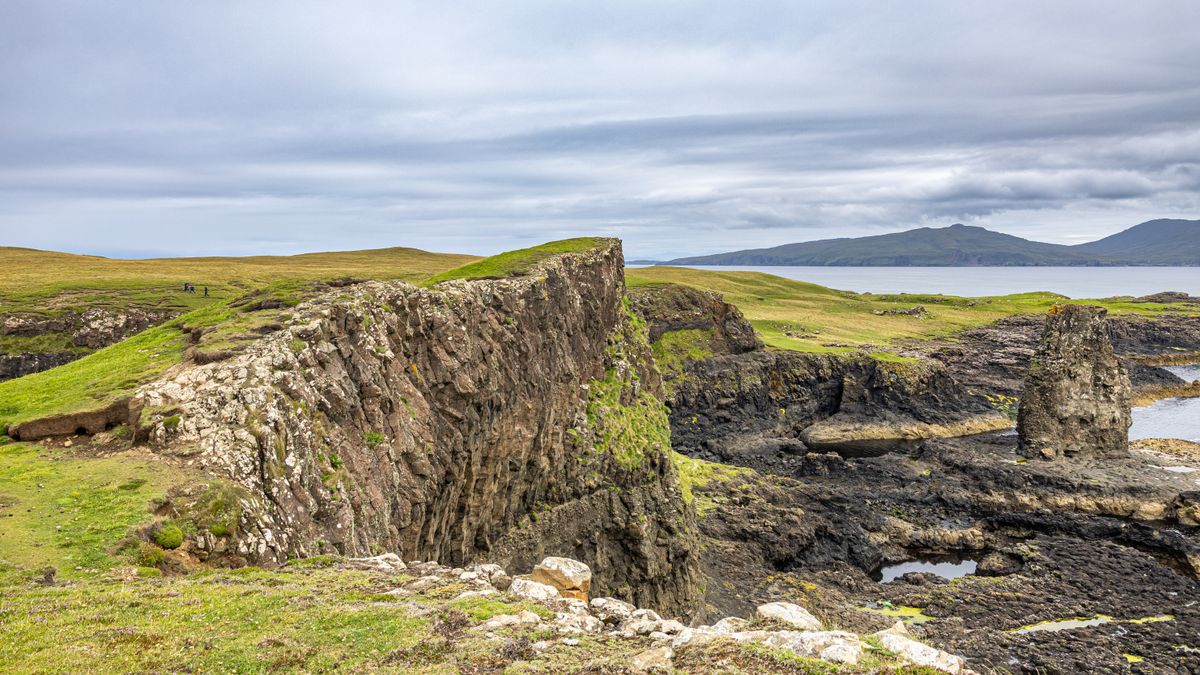
There is a particular kind of quiet that settles over you on a Hebridean ferry: the thrum of the engines, the smell of salt and diesel, the gulls tracking the wake. For many travellers the crossing becomes the memory they talk about most — but only if the day is planned with a little care. Get the details right and you step off the gangway rested, rather than frazzled by a dash along a single-track road.
The Hebrides are served by a web of routes of very different characters, and picking the right one is the single biggest decision you will make. The short hops — around half an hour between the mainland and the southern tip of Skye, or the brief Sound of Barra crossing — feel almost like a river ferry. Step up to the Minch routes from the north-west coast to Lewis, at roughly two and three-quarter hours, and you are on a proper sea voyage. The long western sailings from the mainland to Barra, Coll or Tiree can run to four or five hours, and those are the ones where a cabin, a good book and a calm stomach earn their keep.
Smaller islands add their own quirks. Some slipways dry out at low water, and a few harbours can only be entered near the top of the tide, so timetables shift through the month rather than repeating neatly every day. Check the sailing you actually want, on the date you actually want it, rather than assuming last summer's pattern still holds.
Vehicle spaces on summer sailings sell out months ahead, especially at weekends and during school holidays. If you are taking a car, book as soon as your dates are firm and be prepared to travel mid-week. Foot passengers have far more freedom and can often turn up and go, though on the busiest crossings it is still worth reserving.
Before you commit, work backwards from the ferry rather than forwards from your front door:
If your journey involves two ferries in a day — the classic island-hopping shape — leave a generous gap in the middle. An hour of buffer turns a stressful sprint into a leisurely lunch.
Even in July, the wind out on the water can cut through a T-shirt. Layering is the answer: a warm mid-layer, a windproof and waterproof outer shell, and something to keep your hair out of your face. Flat shoes with grip are far safer than sandals on wet metal stairs.
If you are prone to seasickness, take tablets before you board — they work best ahead of the motion, not after it starts. Ginger sweets, a plain snack and plenty of water all help. Once aboard, aim for the middle of the ship, low down, and either sit facing forward or stand outside watching the horizon. Avoid reading in a stuffy lounge, and skip the full cooked breakfast if the swell is up.
Rather than treating the sailing as dead time, treat it as the first act of the holiday. Most larger vessels have a café serving hot drinks, soup and decent bacon rolls; a few have proper sit-down meals and licensed bars. Take a turn on deck as you leave the harbour, then find a window seat on the sheltered side.
Keep binoculars handy. The west coast delivers dolphins, porpoises, the occasional minke whale, sea eagles over the Sound of Harris and basking sharks in summer. Arrive a little early, claim a spot at the rail and let the landscape unfold — the mountains shrinking behind you, the islands sharpening ahead.
Hebridean ferries are robust, but the sea decides the schedule, not the timetable. Autumn and winter bring the most disruption; summer can still serve up a stiff south-westerly that makes the Minch lively or stops a smaller vessel sailing altogether.
Build slack into your plans at both ends, particularly if you have a flight, a wedding or a booked dinner in your sights. Keep the operator's sailing status page or text alerts to hand, and if you are travelling with a vehicle, know roughly where you could stay an extra night. A flexible attitude is worth more than any gadget.
Step off the ferry and you are already somewhere remarkable. Have your first stop mapped out — a beach, a café, a short walk to stretch your legs — and resist the urge to race across the island the moment the ramp goes down. The islands reward a slower pace, and a calm crossing sets the tone for the whole visit. Fill the flask, check the tide tables and let the journey begin as it means to go on: unhurried, and entirely at the mercy of the sea in the best possible way.

Hi, my name is Anthony kuber. I am artist and fashion designer.
I love to travel and writing blogging.
Your email address will not be published. Required fields are marked *
Software Developer & Writer
Hey, I'm Diva, a developer and writer blending code and creativity. I'm driven by a deep curiosity and a relentless pursuit of excellence. Join me as I craft digital solutions and captivating stories.


